
Abstract
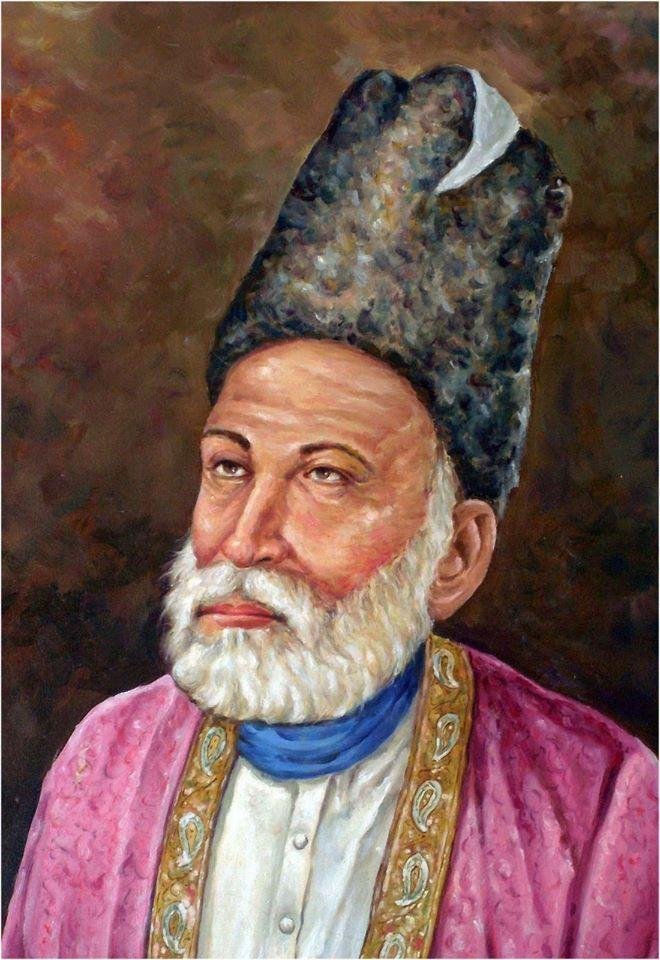
This article explains Ghalib’s Ghazals in simple language, highlighting the poetic genius of Mirza Ghalib. It explores themes, meanings, and techniques used in Ghalib’s Ghazals, helping students, scholars, and general readers understand why Ghalib remains central to Urdu literature.
Keywords
Ghalib, Ghalib’s Ghazals, Mirza Ghalib, Urdu poetry, ghazal meaning, Urdu literature, classical poetry, Ghalib explanation, how to understand ghazals
Introduction
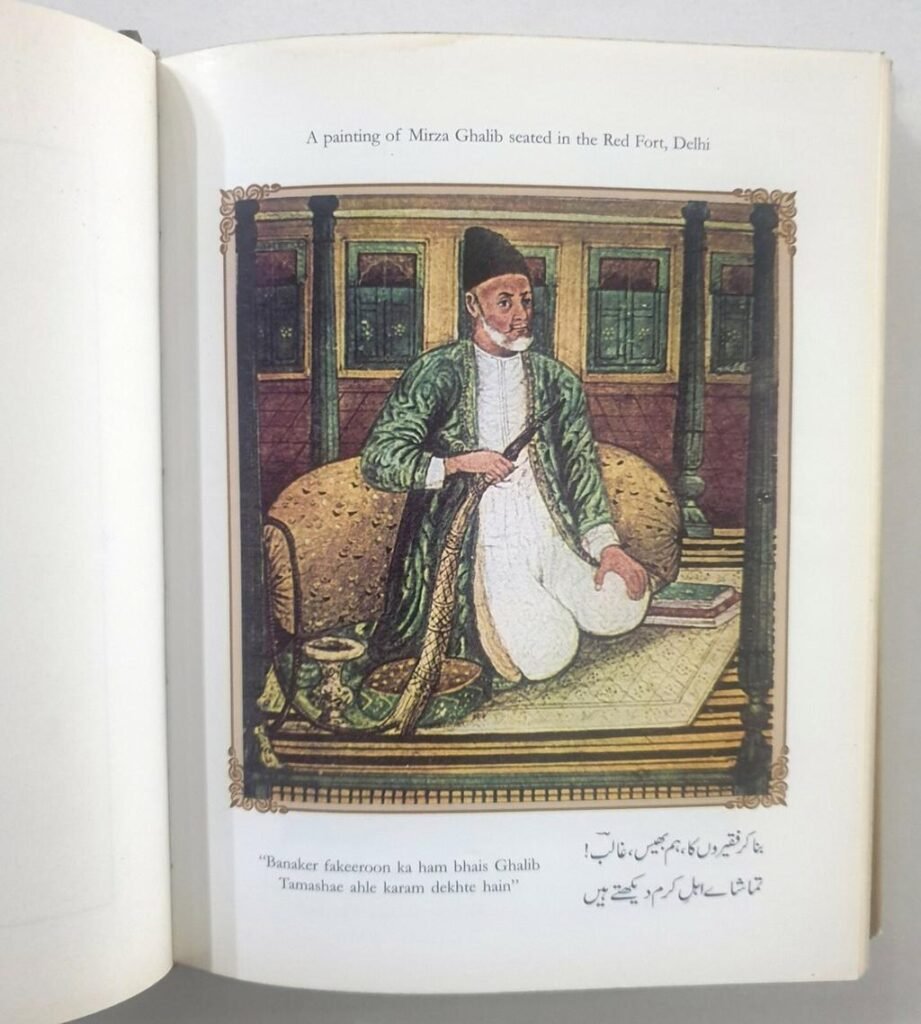
For lovers of Urdu literature, Ghalib’s Ghazals are more than poetry—they are a window into deep human emotions and philosophical thought. Mirza Ghalib is widely considered one of the greatest poets, and his work continues to influence readers globally.

Understanding Ghalib’s Ghazals helps readers connect with themes of love, loss, and existence. Even for non-Urdu audiences, Ghalib offers universal insights that remain relevant today.
Purpose & Scope of the Article
This article aims to:
- Explain Ghalib’s Ghazals in a clear and simple way
- Help readers understand Ghalib’s poetic style and themes
- Provide guidance for beginners studying Ghalib
The discussion focuses on educational understanding rather than deep literary criticism.
Key Concepts & Definitions
- Ghazal: A poetic form consisting of independent couplets connected by theme
- Sher: A two-line verse
- Radif: Repeating word or phrase in a ghazal
- Qafia: Rhyming pattern before the radif
These elements are essential to understanding Ghalib’s Ghazals.
What Makes Ghalib’s Ghazals Unique?
Ghalib’s Ghazals stand out due to their intellectual depth and emotional richness. Ghalib combines simple language with complex ideas, making his poetry both accessible and profound.
Key features of Ghalib’s Ghazals include:
- Philosophical reflection
- Emotional subtlety
- Use of metaphor and symbolism
- Open-ended meanings
Themes in Ghalib’s Ghazals
1. Love and Longing
In Ghalib’s Ghazals, love is often presented as both beautiful and challenging. Ghalib uses love as a way to explore deeper emotions.
2. Existence and Reality
Many of Ghalib’s Ghazals question life, reality, and human existence. This makes Ghalib relevant for philosophical discussions.
3. Spiritual Exploration
Ghalib’s Ghazals often include reflections on spirituality, without strict boundaries.
Language and Style of Ghalib
Ghalib’s language is refined yet expressive. In Ghalib’s Ghazals, each word carries multiple meanings. This layered style is one reason why Ghalib is studied deeply in academia.
Historical Context
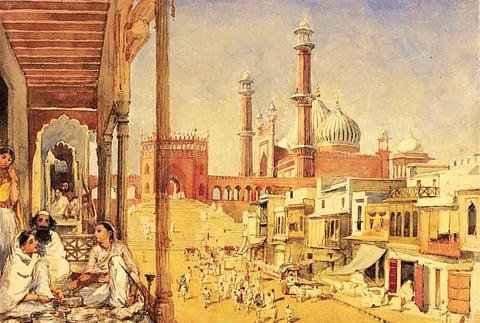
Ghalib lived during the 19th century, a period of cultural and social transition in India. This context influenced Ghalib’s Ghazals, giving them depth and historical relevance.
Current Scenario
Today, Ghalib’s Ghazals are widely studied in universities and literary circles. They are available in translations, making Ghalib accessible to global audiences.
Stakeholders
- Students of Urdu literature
- Teachers and professors
- Literary scholars
- Cultural institutions
- General readers
All these groups engage with Ghalib’s Ghazals in different ways.
Systems / Processes / Mechanisms
Understanding Ghalib’s Ghazals involves:
- Reading original Urdu text
- Using translations
- Studying commentaries
- Attending lectures or discussions
Books like “Ghalib: A Critical Introduction” by Ralph Russell (Routledge) provide structured understanding.
Impact on Society / Culture
Ghalib’s Ghazals have shaped:
- Urdu literary tradition
- Cultural identity
- Music and performance arts
- Academic research
Ghalib continues to influence modern poetry and thought.
Positive Outcomes & Practical Solutions
Benefits of Studying Ghalib’s Ghazals
- Improves language skills
- Enhances cultural understanding
- Encourages critical thinking
- Builds appreciation for poetry
Practical Solutions for Learners
- Start with simple translations of Ghalib’s Ghazals
- Listen to audio recitations
- Use annotated editions
- Join online literature groups
Step-by-Step Guidance
How to Understand Ghalib’s Ghazals
- Begin with translated versions
- Learn basic Urdu vocabulary
- Focus on one sher at a time
- Understand context and theme
- Re-read for deeper meaning
Common Mistakes / Misunderstandings
- Assuming Ghalib’s Ghazals are too difficult
- Ignoring translations
- Reading without context
- Expecting direct meanings
Why This Matters
Students / Scholars / Academicians / General Public
Ghalib’s Ghazals are essential for understanding Urdu literature. For students and scholars, they provide academic depth. For general readers, they offer emotional and intellectual enrichment.
Studying Ghalib helps preserve cultural heritage and promotes literary awareness.
FAQs
1. What are Ghalib’s Ghazals?
They are poetic compositions by Ghalib focusing on love, philosophy, and human emotions.
2. Why are Ghalib’s Ghazals important?
They represent the highest level of Urdu poetic expression.
3. How can beginners understand Ghalib’s Ghazals?
Start with translations and simple explanations.
4. Who was Ghalib?
Ghalib was a renowned Urdu and Persian poet.
5. When were Ghalib’s Ghazals written?
Mostly in the 19th century.
6. How do Ghalib’s Ghazals influence modern literature?
They inspire poets and scholars worldwide.
Conclusion
Ghalib’s Ghazals continue to inspire readers across generations. Their depth, beauty, and universality make them timeless. By engaging with Ghalib’s work, readers can gain cultural knowledge, emotional insight, and intellectual growth.
For students, scholars, and general audiences, exploring Ghalib’s Ghazals is a valuable and enriching journey.
Other important topics on (Urdumazamin.com)
- Introduction to Urdu poetry
- Famous Urdu poets
- Urdu language learning
- Classical ghazal structure
- Literary criticism in Urdu