
Abstract
This article presents a clear and structured overview of Shamsur Rahman Faruqi, explaining how Shamsur Rahman Faruqi reshaped the reading of classical Urdu literature. Designed for students, scholars, and general readers, it highlights his contributions, methods, and lasting relevance in modern Urdu literary studies.
Keywords
Shamsur Rahman Faruqi, Urdu literary criticism, classical Urdu literature, Mirza Ghalib, Urdu poetics, Shabkhoon, modern Urdu studies, how to read Urdu poetry
Introduction
Urdu literature has a rich and layered tradition, and understanding it deeply requires careful reading and interpretation. This is where Shamsur Rahman Faruqi becomes essential. Shamsur Rahman Faruqi helped readers approach classical Urdu texts with clarity and fresh perspective.
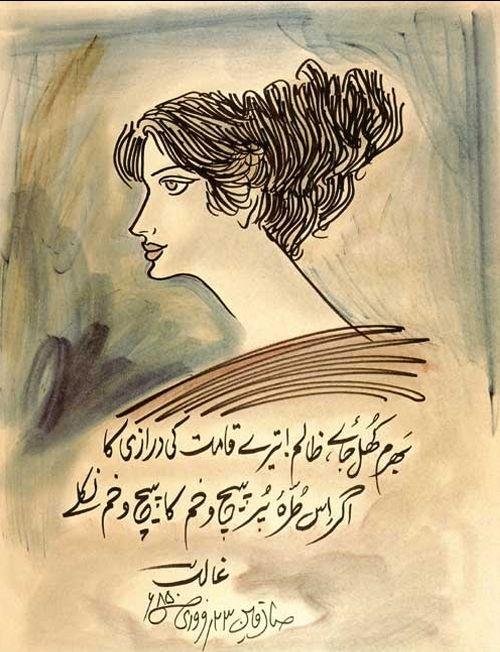
For students and literature lovers, Shamsur Rahman Faruqi offers a bridge between classical poetry and modern understanding. His work makes complex ideas accessible while preserving their depth, especially in the study of poets like Mirza Ghalib.
Purpose & Scope of the Article
This article aims to provide a structured and easy-to-understand overview of Faruqi, focusing on his role in reinterpreting classical Urdu literature. It highlights key ideas, methods, and practical learning approaches while maintaining a neutral and informative tone.
Key Concepts & Definitions (Simplified)
- Literary Criticism: The study and interpretation of literary works
- Classical Urdu Literature: Early poetry and prose traditions in Urdu
- Modern Reading: Understanding classical texts through contemporary perspectives
- Poetics: Study of poetic forms and structures
These concepts are central to the work of Shamsur Rahman Faruqi.
Main Informative Content
Who is Shamsur Rahman Faruqi?
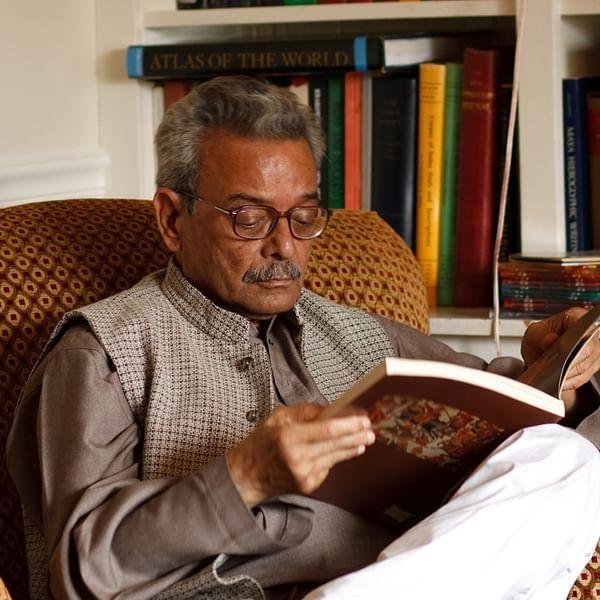
Shamsur Rahman Faruqi (1935–2020) was one of the most respected scholars of Urdu literature. As a critic, editor, and writer, Faruqi Saheb played a major role in redefining how Urdu poetry is read and understood.
His work reflects a deep engagement with classical traditions while encouraging new ways of thinking.
Reinterpreting Classical Urdu Literature
A major contribution of Faruqi Saheb lies in his ability to revisit classical texts with fresh insight. He emphasized that classical Urdu poetry is rich in meaning and requires careful reading.
Through his studies, Shamsur Rahman Faruqi demonstrated how poets like Mirza Ghalib used language in innovative ways.
Modern Approach to Classical Texts
Shamsur Rahman Faruqi introduced a modern framework for understanding classical literature. Instead of simplifying texts, he encouraged readers to explore their complexity.
This approach made Shamsur Rahman Faruqi highly influential in academic and literary circles.
The Role of Shabkhoon
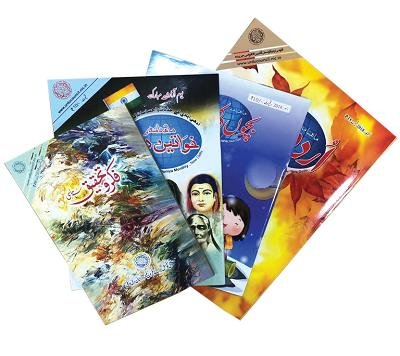
One of the significant contributions of Faruqi Saheb was the literary journal Shabkhoon. It provided a platform for modern Urdu criticism and encouraged new voices.
Through Shabkhoon, Faruqi Saheb helped shape contemporary literary discussions.
Language and Style
The writing style of Shamsur Rahman Faruqi is known for clarity and depth. He explained complex literary ideas in a structured and understandable way, making his work useful for both beginners and advanced readers.
Historical Context
Faruqi Saheb worked during a time when Urdu literature was undergoing transformation. His work connected classical traditions with modern literary thinking, ensuring continuity and relevance.
Current Scenario
Today, Faruqi Saheb is widely studied in universities and research institutions. His books and essays continue to guide students and scholars in understanding Urdu literature.
Who can benefit from this article?
- Students and researchers
- Teachers and professors
- Literary institutions
- Cultural organizations
- General readers
All these groups engage with the work of Faruqi Saheb.
Systems / Processes / Mechanisms
To understand Shamsur Rahman Faruqi, readers can follow a structured approach:
- Read introductory essays
- Study classical Urdu poetry
- Compare interpretations
- Participate in discussions
A key reference is Early Urdu Literary Culture and History by Shamsur Rahman Faruqi (Oxford University Press), which provides detailed insights.
Impact on Society / Culture
The contributions of Faruqi Saheb have strengthened:
- Urdu literary studies
- Cultural preservation
- Academic research
- Awareness of classical poetry
Positive Outcomes & Practical Solutions
Benefits of Studying Shamsur Rahman Faruqi
- Enhances understanding of Urdu literature
- Improves critical reading skills
- Encourages appreciation of classical works
- Supports academic growth
Practical Learning Approaches
- Begin with simple essays by Shamsur Rahman Faruqi
- Use translated texts where needed
- Read alongside classical poets
- Engage in literary discussions
Step-by-Step Guidance
How to Study Shamsur Rahman Faruqi Effectively
- Start with basic introductions
- Learn key literary terms
- Read selected essays
- Explore poets like Mirza Ghalib
- Reflect on interpretations
Common Mistakes / Misunderstandings
- Assuming Faruqi Saheb is difficult to understand
- Ignoring classical context
- Avoiding translations
- Reading without guidance
Why This Matters
Students / Scholars / Academicians / General Public
For students and scholars, Faruqi Saheb provides a structured way to understand Urdu literature. For general readers, his work offers meaningful engagement with classical poetry.
His contributions help preserve literary heritage while making it accessible to modern audiences.
FAQs
1. Who is Shamsur Rahman Faruqi?
A leading Urdu critic and scholar known for his work on classical literature.
2. Why is he important?
He reshaped how classical Urdu texts are read and understood.
3. How can beginners read Shamsur Rahman Faruqi?
Start with introductory essays and translations.
4. What is Shabkhoon?
A literary journal founded by Faruqi Saheb.
5. When did Shamsur Rahman Faruqi live?
1935–2020.
6. How does his work help students?
It provides clarity and structured understanding of Urdu literature.
Conclusion
Shamsur Rahman Faruqi remains a central figure in Urdu literary studies. His work continues to guide readers toward deeper understanding and appreciation of classical literature.
For students, scholars, and general readers, engaging with Faruqi Saheb is a valuable step toward meaningful and informed learning.